Every practice in our classrooms has to answer one question: Does it help children
become more capable, curious, creative, or kind? If the answer is yes, we keep it.
If not, we don’t.
Capable. Curious. Creative. Kind.
Every classroom decision is guided by those four outcomes. Montessori helps children
become more capable. Reggio Emilia keeps curiosity alive. Waldorf nurtures creativity.
Kindness is woven through every interaction, relationship, and classroom experience.
The result isn’t three philosophies operating side by side. It’s one cohesive
educational approach, thoughtfully informed by the strengths of each.

 What we take:
 What we don’t take:


 What we take:
 What we don’t take:

 What we take:
 What we don’t take:

We believe every child should grow up capable, curious, creative, and kind.
Rather than committing to a single educational philosophy, we’ve designed a
research-backed approach around the practices that best support those four
outcomes.
That’s why we thoughtfully draw from Montessori, Reggio Emilia, and Waldorf—not
because more philosophies are better, but because each contributes something
different to children’s development.
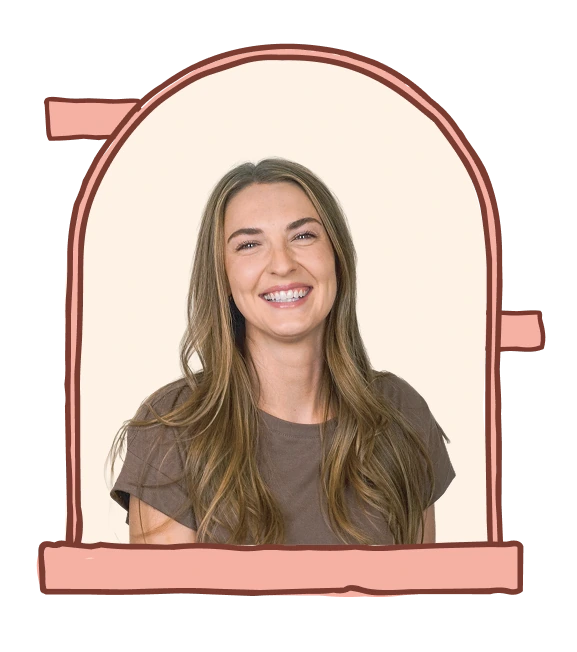
Tori Jensen
Co-Founder & Lead Educator
“Working with children has shaped the majority of my education and my career.
Having been a state-ranked gymnast myself, I began coaching gymnastics at a
young age, guiding children from six months through ten years old. It was there I
learned how to kneel to a child’s level, celebrate small victories, and gently
encourage bravery. I saw firsthand how movement builds confidence.
I later earned my B.Sc. in Early Childhood Education while teaching full-time in
private preschool classrooms in multiple states. Over the years, I’ve worked
across different school environments and philosophies, continuing my education
through graduate coursework and professional development, including coursework at the
Harvard Graduate School of Education.
What matters most to me, though, is not the label of a method; it is the moment a child
realizes, “I can do this.” I love working with children and design classrooms
intentionally so that my kids feel safe, respected, and capable. Because ultimately,
those are the conditions where true growth happens.”

Builds Capability
Montessori
Sparks Curiosity
Reggio

Nurtures Creativity
Waldorf







Watch your little one bloom!
Contact Us








Every practice in our classrooms
has to answer one question: Does
it help children become more
capable, curious, creative, or kind?
If the answer is yes, we keep it.
If not, we don’t.
Capable. Curious. Creative. Kind.
Every classroom decision is guided
by those four outcomes. Montessori
helps children become more capable.
Reggio Emilia keeps curiosity alive.
Waldorf nurtures creativity. Kindness
is woven through every interaction,
relationship, and classroom
experience.
The result isn’t three philosophies
operating side by side. It’s one
cohesive educational approach,
thoughtfully informed by the
strengths of each.
What we take:
What we don’t take:
What we take:
What we don’t take:
What we take:
What we don’t take:



We believe every child should
grow up capable, curious,
creative, and kind.
Rather than committing to a
single educational philosophy,
we’ve designed a research-backed
approach around the practices
that best support those four
outcomes.
That’s why we thoughtfully draw
from Montessori, Reggio Emilia,
and Waldorf—not because more
philosophies are better, but
because each contributes
something different to children’s
development.
Tori Jensen
Co-Founder & Lead Educator
“Working with children has
shaped the majority of my
education and my career.
Having been a state-ranked
gymnast myself, I began
coaching gymnastics at a young
age, guiding children from six
months through ten years old. It
was there I learned how to
kneel to a child’s level, celebrate
small victories, and gently
encourage bravery. I saw
firsthand how movement builds
confidence.
I later earned my B.Sc. in Early
Childhood Education while
teaching full-time in private
preschool classrooms in multiple
states. Over the years, I’ve
worked across different school
environments and philosophies,
continuing my education through
graduate coursework and
professional development,
including coursework at the Harvard
Graduate School of Education.
What matters most to me,
though, is not the label of a
method; it is the moment a child
realizes, “I can do this.” I love
working with children and design
classrooms intentionally so that
my kids feel safe, respected, and
capable. Because ultimately,
those are the conditions where
true growth happens.”
Builds Capability
Montessori
Sparks Curiosity
Reggio
Nurtures Creativity
Waldorf
Watch your little one bloom!
Contact Us